



 |  |  |  |  |  |  |  |
Libras translation in progress. Publication coming soon.

Prof. Dr. José Mario De Martino
Lead Researcher
Electrical Engineer with M.Sc. and Ph.D. degrees in Electrical Engineering from the School of Electrical and Computer Engineering at the University of Campinas (UNICAMP). He holds a Livre-Docência degree from UNICAMP and is currently an Associate Professor at the School of Electrical and Computer Engineering at UNICAMP. His research focuses on computer graphics, image processing, computer vision, machine learning, and natural language processing, with emphasis on sign languages.

Prof. Dr. Felipe Venâncio Barbosa
Principal Researcher
Graduated in Speech-Language Pathology and Audiology from the University of São Paulo School of Medicine (USP), with a complete a specialisation in Activating Change Processes in Higher Education for Health Professionals at the Oswaldo Cruz Foundation, as well as a direct doctorate in Rehabilitation Sciences – Human Communication, also at the University of São Paulo School of Medicine (USP). He completed a postdoctoral fellowship at the Deafness, Cognition and Language Centre at the University College London. He is currently an Associate Professor at the School of Philosophy, Languages and Human Sciences at the USP (FFLCH/USP). His research focuses on deafness, sign language, language, cognition, sign language disorders, clinical linguistics and sign language teaching.

Prof. Dr. Hélio Pedrini
Principal Researcher
Graduated in Computer Science from the Institute of Computing (UNICAMP), holds a Master's degree in Electrical Engineering and a PhD in Electrical and Computer Engineering, both from UNICAMP. He also holds a PhD in Electrical and Computer Engineering from the Rensselaer Polytechnic Institute in the United States (2000). He held a postdoctoral fellowship at the School of Computing Science at Simon Fraser University, Canada, and at the Department of Computer Science at the University of California, United States. He is currently a full professor at the Institute of Computing at UNICAMP. His research focuses on the areas of image and video analysis, machine learning, computer vision, computer graphics, and computational geometry.

Prof. Dr. Vagner Luiz Gava
Principal Researcher
Electrical Engineer from the Polytechnic School of the University of São Paulo (POLI/USP), with a Master's degree in Electrical Engineering and a PhD in Production Engineering, both from POLI/USP. Post-doctorate from the Faculty of Engineering of the University of Porto. He is currently a researcher at the Institute for Technological Research of the State of São Paulo (IPT). His research focuses on natural language processing, image recognition and developing models of physical phenomena based on deep neural networks.

Angelina da Silva Inacio
Associate Researcher
Bachelor's degree in Computer Science from Universidade Ibirapuera, with a Master's degree in Applied Computing from the Institute for Technological Research of the State of São Paulo. She is currently a systems analyst at the Institute for Technological Research (IPT). Her research focuses on data analysis and natural language processing.

Edilson de Andrade
Associate Researcher
Graduated in Brazilian Sign Language (Libras) from the Federal University of Santa Catarina (UFSC) and in Languages - Translation: English - Portuguese from PUC-SP. He also holds specialisations in Libras from Anhembi-Morumbi University and in Public Management from UFSCAR. He is a certified Libras-Portuguese translator and interpreter through the Brazilian Sign Language Proficiency Examination of the Ministry of Education. He is currently the pedagogical coordinator at the School of Inclusion, a unit of the São Paulo State Secretariat for the Rights of Persons with Disabilities. In this role, he coordinates public policies aimed at the social inclusion and guarantee of the rights of people with disabilities.

Fabio Rogerio Lins Pereira de Souza
Associate Researcher
Bachelor's degree in Data Science and Control and Automation Engineering with Master's degree in Computer Science from the Institute of Mathematics and Statistics (IME/USP). He works as a researcher and developer in artificial intelligence and software engineering at the Institute for Technological Research (IPT) digital technologies group. His research focuses on artificial intelligence, analytics and automation in both research and industrial contexts.

Felipe Augusto Frazão Kleine
Associate Researcher
Graduated in Information Technology at the Virtual University of the State of São Paulo and in Naval Engineering at the Polytechnic School of USP, with Master’s degree in Computer Science at the Institute of Mathematics, Statistics, and Computer Science of USP. He works in research and development in the fields of Information and Communication Technology and Data Science at the Institute for Technological Research of the State of São Paulo, with primary research focus on computer vision.

Prof. Dr. Sylvia Lia Grespan Neves
Associate Researcher
Graduated in Pedagogy from Faculdade Integradas Rio Branco, in Library Science from Fundação Escola de Sociologia e Política de São Paulo (FESPSP), and in Brazilian Sign Language (Libras) from Universidade Federal de Santa Catarina (UFSC). She holds a Master degree in Education from Universidade Metodista de Piracicaba (Unimep) and PhD in Linguistics from University of São Paulo (USP). She is currently a professor at the USP School of Education (FE/USP). Her research focuses on education, particularly the intersection of education and clinical linguistics, sign language, deaf people, and language teaching.

Guilherme Vieira Leite
Postdoctoral Fellow
Graduated in Computer Science from Federal University of Goiás (UFG) with Master degree and PhD in Computer Science from University of Campinas (UNICAMP). His research focuses on computer vision, natural language processing, healthcare and assistive technologies, with a specific focus on microscopic images and Brazilian Sign Language (Libras).

Hanna Beer Furtado
Postdoctoral Fellow
She holds a Bachelor of Laws from the Federal University of Juiz de Fora (UFJF), a Master’s degree in Applied Linguistics and Language Acquisition in Multilingual Contexts from the University of Barcelona (UB), and a PhD in Linguistics from the Federal University of Santa Catarina (UFSC). Her research interests include translation and interpreting policies, linguistic rights, accessibility in Brazilian Sign Language (Libras), and technologies applied to sign languages.

Tatiana Massaro
Postdoctoral Fellow
She holds a Bachelor of Social Sciences from São Paulo State University (UNESP) with a Master degree in Social Anthropology from the Federal University of São Carlos (UFSCar), and a PhD in Social Anthropology from the University of Campinas (UNICAMP). She is currently a Postdoctoral Fellow in Research Management (PPDG) from UNICAMP. Her research interests include the sociology of science, inclusion, sustainability, and project management.

Paulo Henrique Pereira
Doctoral Fellow
He is an Assistant Professor at the Federal University of Paraná (UFPR). He graduated in Brazilian Sign Language (Libras) from the Federal University of Goiás (UFG) and holds a Master's degree in Applied Linguistics from the Federal University of Santa Catarina (UFSC). He is currently a PhD candidate in Linguistics at the University of São Paulo (USP), under the supervision of Prof. Dr. Felipe Venâncio Barbosa. His research focuses on language processing and reaction times, employing eye-tracking and other experimental methodologies to investigate the cognitive mechanisms underlying language. His research interests include psycholinguistics, language processing, language acquisition, multilingualism, and sign languages.

José Carlos Ferreira
PhD Scholarship
PhD student at the School of Electrical and Computer Engineering (FEEC) at the University of Campinas (UNICAMP). He holds a Bachelor's and a Master's degree in Electrical Engineering from UNICAMP. His research interests include machine learning and natural language processing.
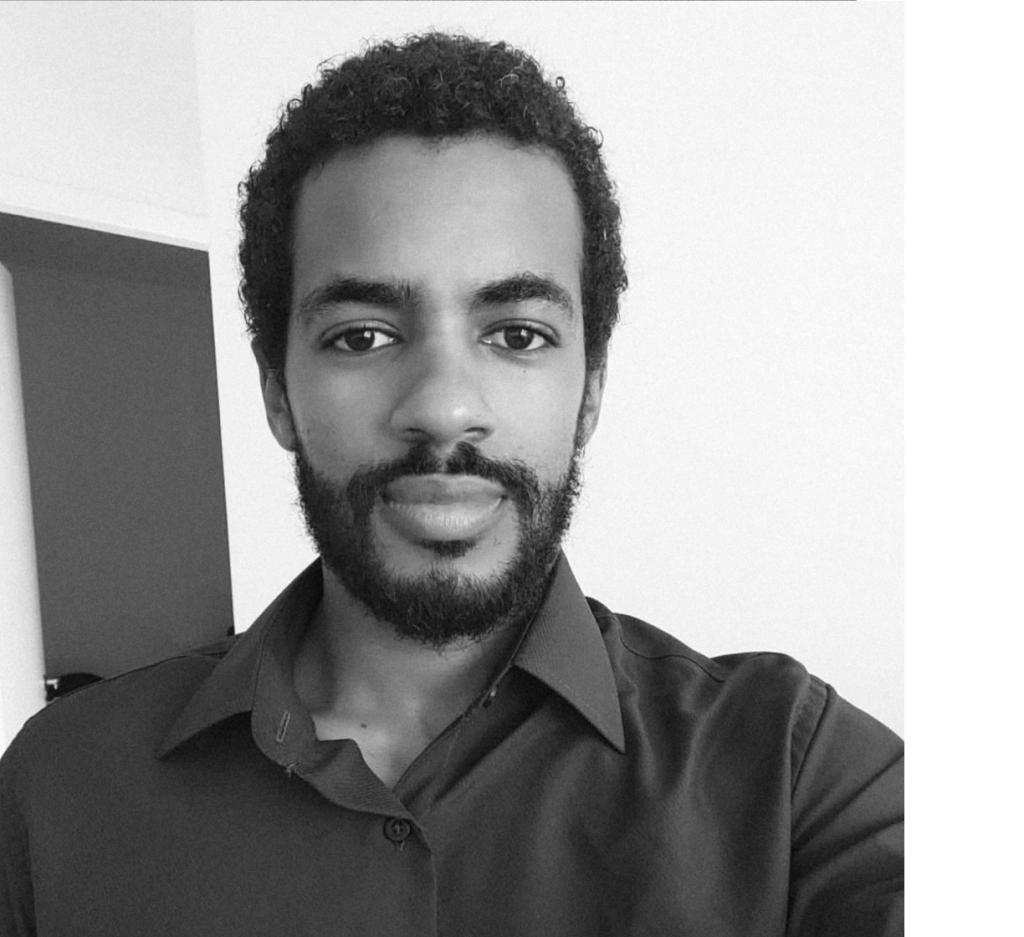
Paulo Miguel Rodrigues Rocha
Masters Scholarship
Master student in Electrical Engineering at the State University of Campinas (UNICAMP) with a degree in Electronic Engineering from the Federal University of Santa Catarina (UFSC). His research interests include artificial intelligence, computer vision, natural language processing and assistive technologies for Brazilian Sign Language (Libras).
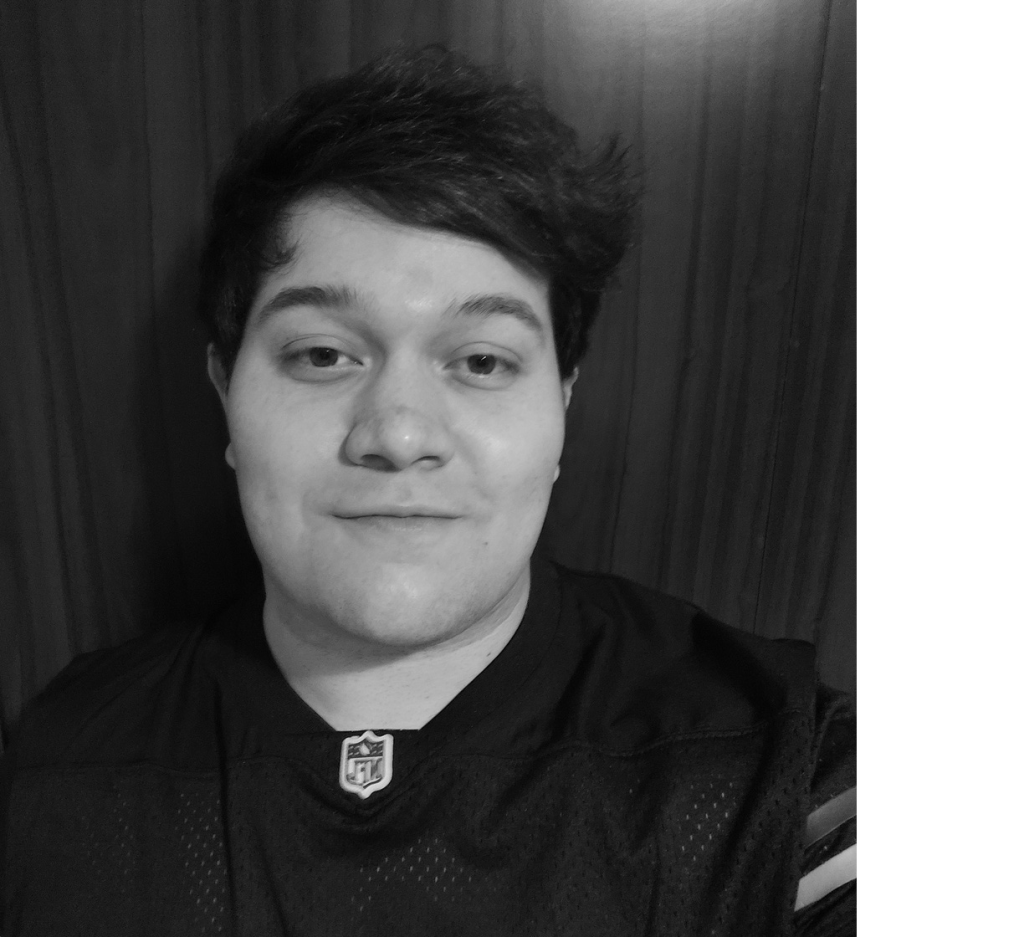
Jonas Cândido Pereira
Masters Scholarship
Master student in Electrical Engineering at the State University of Campinas (UNICAMP), holds a bachelor’s degree in Digital Design from the University of Araraquara (Uniara), a bachelor’s degree in Information Technology with a focus on data analysis, and a bachelor’s degree in Data Science from the Virtual University of the State of São Paulo (Univesp). His research interests include automatic annotation, gloss annotation, Brazilian Sign Language (Libras), multimodal models, temporal segmentation, and computer vision.

Ângelo Brandão Benetti
Technical Training Scholarship
Bachelor’s degree in Social Communication - Advertising and Marketing from the Escola Superior de Propaganda e Marketing (ESPM). He has experience in the field of communication, with a focus on computer graphics and multimedia. Since 2009, he has conducted research in the area of 3D animation, carrying out experiments in physics, martial arts and artistic performances. He has expertise in motion capture systems. In partnership with various research institutions, he has developed a methodology for capturing the movements of Brazilian Sign Language (Libras) interpreters. This is aimed at creating databases for systems with 3D avatars that can sign content in sign languages. He is studying mechanisms for publishing interactive 3D content to deepen his knowledge of virtual and augmented reality projects. He creates 2D and 3D animations for technical and scientific illustration, as well as for various other purposes such as infographics, bumpers, music videos and digital scenography.

Isabela Cristina Barbieri
Technical Training Scholarship
Graduated in Brazilian Sign Language (Libras) from the University of Santa Catarina (UFSC) and in Human Resources Management from Faculdade Anhanguera. She was a research fellow in translation and interpretation at the UFSC and did an internship at the University of Campinas (UNICAMP), working in the teaching of Portuguese as a second language (L2) to deaf children. Her research focuses on natural language processing with a focus on sign languages, computer vision, machine learning and computer graphics.
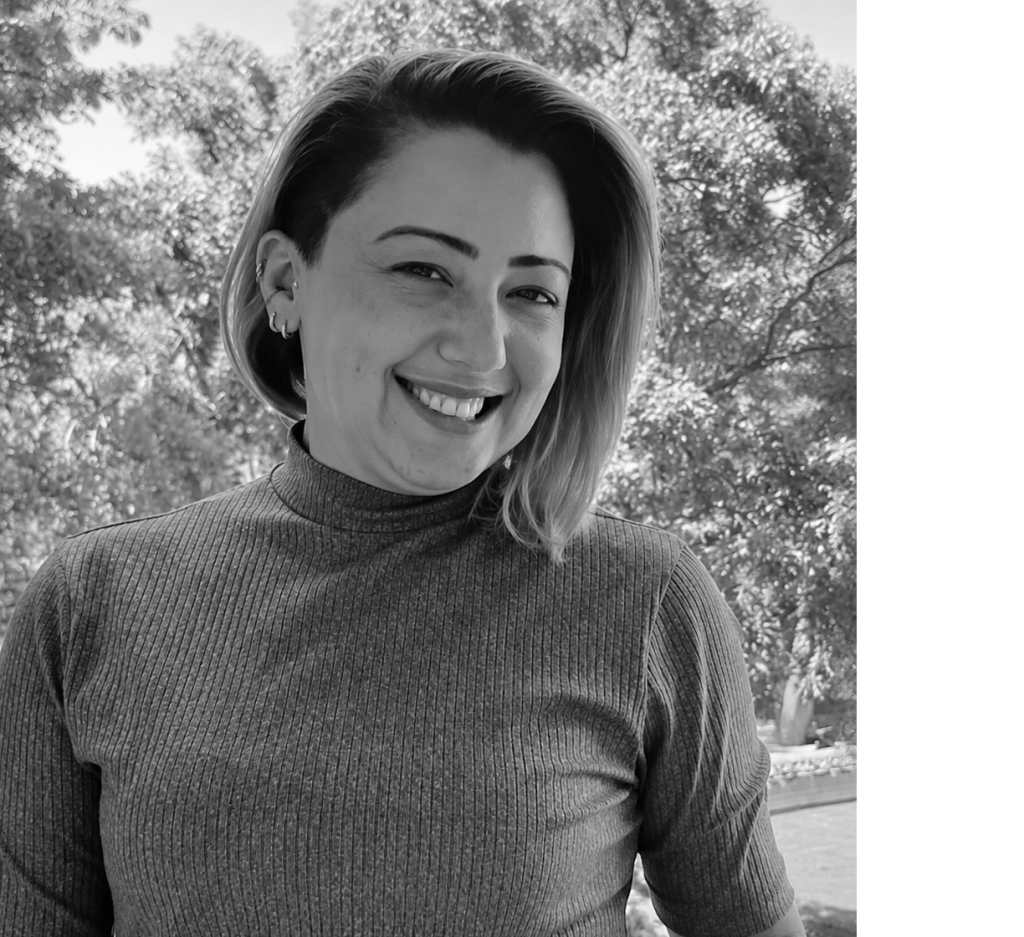
Katia Regina Conrad Lourenço
Technical Training Scholarship
She holds a Ph.D. and an M.A. in Education: Curriculum from PUC-SP and, in 2017, conducted the first doctoral dissertation defense in Libras in the history of PUC-SP, with the study Deaf Curriculum: Libras at School and the Development of Deaf Culture. She also completed postdoctoral research at Universidad Católica del Norte (UCN) and Universidad de La Serena (ULS), in Chile, and has participated in research groups dedicated to Deaf Studies and Deafblindness. She holds a degree in Pedagogy, a specialization in Special Education, and a specialization in Neurodevelopment and Education from Ce.H.R.I.N.I. (Argentina), with additional studies in Neuroscience and Neuronutrition at the Universidad de Pamplona (Colombia), as well as PROLIBRAS certification from MEC/UFSC. She has worked as a teacher in the field of Deaf Education since 2005, with experience teaching in undergraduate and graduate programs, as well as in Bilingual Education, Libras, curriculum, accessibility, and teacher education. Founder of Want :)) Training and Consulting in Communication and Accessibility, she has professional experience in translation, interpreting, and guide-interpreting involving Libras, Portuguese, and Spanish, and previously served as a bilingual presenter of the Libras para Todos program on Univesp TV/TV Cultura. Her research interests include Cognitive Modifiability, Mediated Learning Experience, critical reinterpretations of the History of Deaf Education, digital technologies and artificial intelligence in Deaf culture, and Deaf Curriculum.
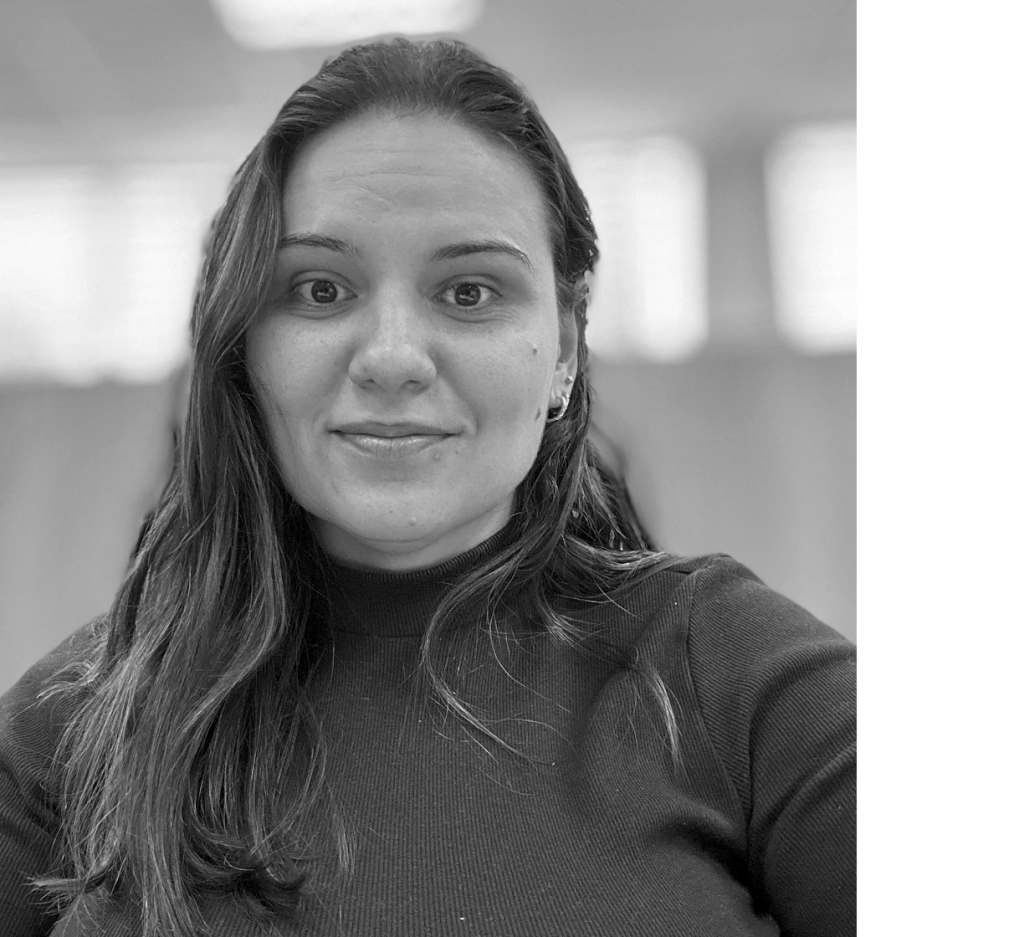
Natália Najyme de Melo Afonso
Technical Training Scholarship
Graduated in Nursing from the Pontifical Catholic University of Minas Gerais (PUC-MG), with postgraduate degree in Multiprofessional Emergency and Trauma Residency from Faculdade de Estudos Administrativos de Minas Gerais (FEAD), as well as a Bachelor degree in Portuguese Sign Language (Libras) from the Federal University of Minas Gerais (UFMG). Her research focuses on natural language processing and sign languages, as well as computer vision, machine learning and computer graphics.

Thyago de Souza Santos
Technical Training Scholarship
He is a PhD candidate in linguistics at USP. He holds a master's degree in languages from the Federal University of Paraná (UFPR) and a bachelor's degree in biological sciences from Methodist University of São Paulo (UMESP). He is a Brazilian Sign Language interpreter with 25 years of experience and is certified by the Ministry of Education (MEC) and the Federal University of Santa Catarina (UFSC) as proficient in Brazilian Sign Language (2007). He has extensive experience in education, primarily as a lecturer and interpreter at public and private institutions. He has taught at bilingual schools for deaf students. He has worked as a consultant and interpreter in the corporate and artistic spheres, as well as forming and leading interpreting teams at national and international conferences. He has translated and adapted examinations at municipal and federal levels, as well as for foundations dedicated to this purpose (www.youtube.com/@ThyagoSantos1). He is currently a TT4 FAPESP scholarship holder on the project: Construction of the CCD-TAAL database; translation and interpretation processes of the Libras–Portuguese language pair; and studies of motion capture and eye tracking.

Isabela Gomes Pereira
Undergraduate Research Fellow
Bachelor’s and teaching degree student in Portuguese and Spanish at the University of São Paulo (USP). She is an FAPESP Undergraduate Research Scholar at the Centre for Cognitive Development (CCD-TAAL), supervised by Prof. Dr. Felipe Venâncio Barbosa (USP). She participates in the study group of the Laboratory for Studies in Sign Language and Cognition (LiSCo/USP). She founded Sinalizando Acessibilidade e Intercultura (SAI), a Libras study group that disseminates information about sign languages to the community. She was a scholar in the Unified Scholarship Programme (PUB/USP) on the "Dissemination of Brazilian Sign Language and Deaf Culture in the EAFEUSP community" project. Her research interests include sign language linguistics, bilingual education for deaf people and sign writing.

Calebe Nascimento
Undergraduate Research Fellow
Undergraduate student in Language and Literature at the University of São Paulo (USP). He is an FAPESP Undergraduate Research Scholar, supervised by Prof. Dr. Felipe Venâncio Barbosa (USP). His research interests include Cognition, Brazilian Sign Language (Libras) and Sign Language Linguistics.

Guilherme Galvão de Oliveira Pinto
Undergraduate Research Fellow
Undergraduate student in Electrical Engineering at the University of Campinas (UNICAMP) and an FAPESP Undergraduate Research Fellow under the supervision of Prof. José Mario De Martino at CCD-TAAL. His research interests include computer vision, machine learning, and artificial intelligence, particularly their applications to accessibility and Brazilian Sign Language (Libras).

Gustavo Borba da Silva
Undergraduate Research Fellow
Undergraduate student in Computer Engineering at the University of Campinas (UNICAMP). He is a FAPESP undergraduate research scholar under the supervision of Prof. José Mario De Martino (UNICAMP). His interests include computer graphics, natural language processing, and machine learning.

Jhonatan Valentim Nunes Calixto
BAS/UNICAMP Scholarship
Undergraduate student in Electrical Engineering at the State University of Campinas (UNICAMP). He received a scholarship of the Executive Directorate for Student Support and Retention (DEAPE) at the UNICAMP, receiving the Social Assistance Scholarship (BAS) under the supervision of Prof. José Mario De Martino (UNICAMP). His interests include motion capture and processing, computer graphics, and developing automation methods.

João Vitor Gonçalves da Costa
BAS/UNICAMP Scholarship
Undergraduate student in Computer Engineering at the State University of Campinas (UNICAMP). He received a scholarship of the Executive Directorate for Student Support and Retention (DEAPE) at the UNICAMP, receiving the Social Assistance Scholarship (BAS) under the supervision of Prof. José Mario De Martino (UNICAMP). His interests include MoCap capture and processing, machine learning, Brazilian Sign Language and accessibility technologies.

Matheus De Oliveira e Almeida
BAS/UNICAMP Scholarship
Undergraduate student in Control and Automation Engineering at the State University of Campinas (UNICAMP). He received a scholarship from the Executive Directorate for Student Support and Retention (DEAPE) at the UNICAMP, specifically the Social Assistance Scholarship (BAS), under the supervision of Professor José Mario De Martino (UNICAMP). His interests include computer vision, video processing and data management, and he is particularly interested in integrating automation and machine learning techniques.

Rafael Henrique Rabelo
BAS/UNICAMP Scholarship
Undergraduate student in Electrical Engineering at the State University of Campinas (UNICAMP). He received a scholarship of the Executive Directorate for Student Support and Retention (DEAPE) at the UNICAMP, receiving the Social Assistance Scholarship (BAS), under the supervision of Prof. José Mario De Martino (UNICAMP). His interests include motion capture and processing, machine learning, Brazilian Sign Language and accessibility technologies.
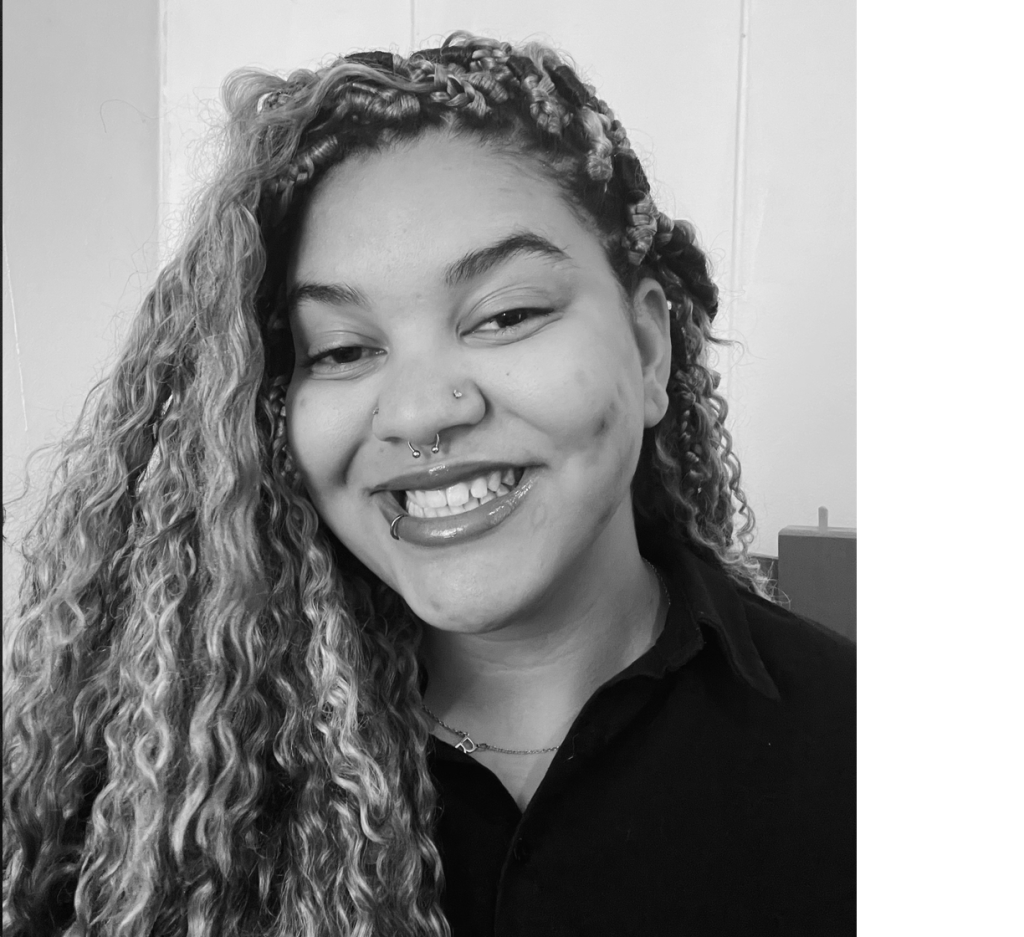
Laura Epifanio
Unified Scholarship Programme (PUB/USP) grantee
Undergraduate student of Portuguese Language and Literature and Linguistics at the University of São Paulo (USP). She is a scholarship under the Unified Scholarship Programme (PUB/USP) for the project 'Development of assistive technology for the deaf community: an automatic LIBRAS translator avatar based on motion capture', which is supervised by Prof. Dr. Felipe Venâncio Barbosa (USP). Her research interests include LIBRAS, sociolinguistics, language studies and sign language linguistics.
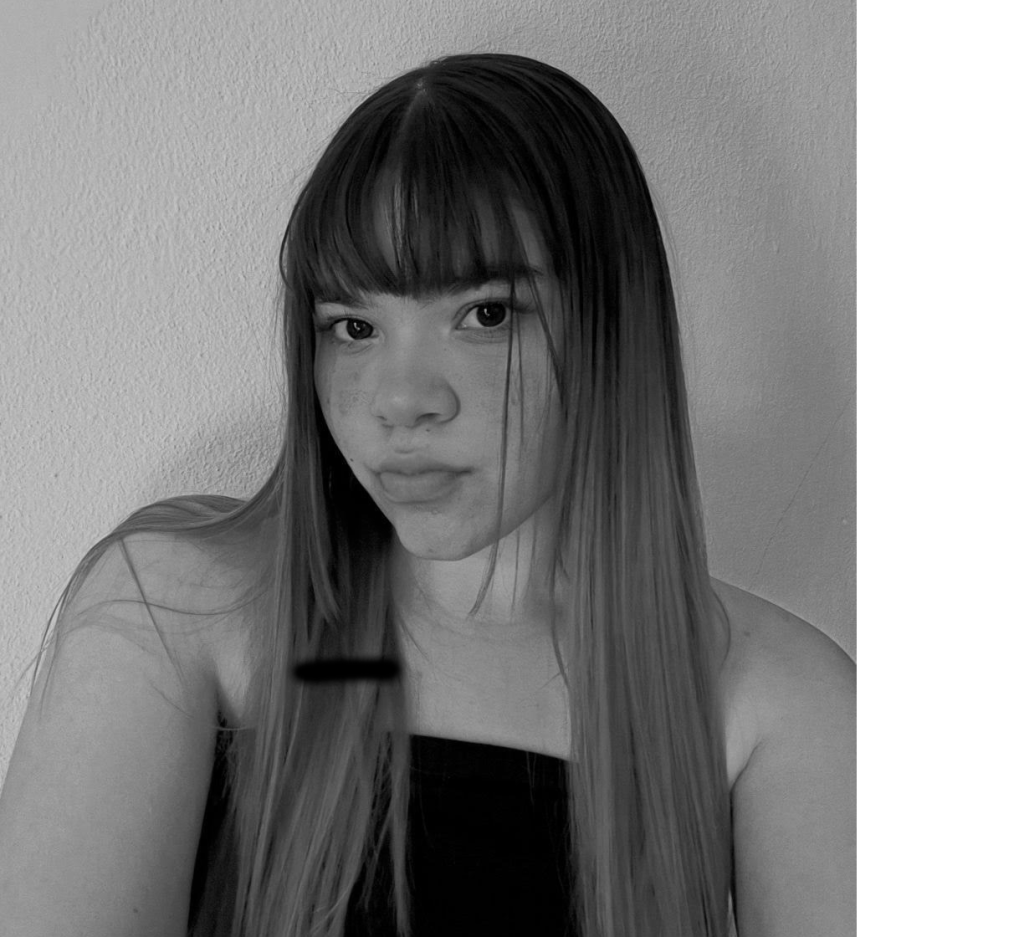
Maria Victória Dias Borges Silva
Unified Scholarship Programme (PUB/USP) grantee
Undergraduate student of Language and Literature at the University of São Paulo (USP). She is a PUB/USP scholarship, supervised by Prof. Dr. Felipe Venâncio Barbosa. She is interested in the linguistics of sign languages, particularly Libras (Brazilian Sign Language), as well as cognition and language.